Connect the people behind the care.
Revolutionize healthcare delivery with digital platforms built for clinics, hospitals, diagnostics, and telemedicine providers. Our solutions empower healthcare institutions to automate appointments, manage patient records, enable telehealth, and ensure secure data exchange. With our Hospital Management System , streamline operations—manage admissions, billing, pharmacy, inventory, and compliance from one secure platform.
Healthcare
Healthcare
Context changes everything.
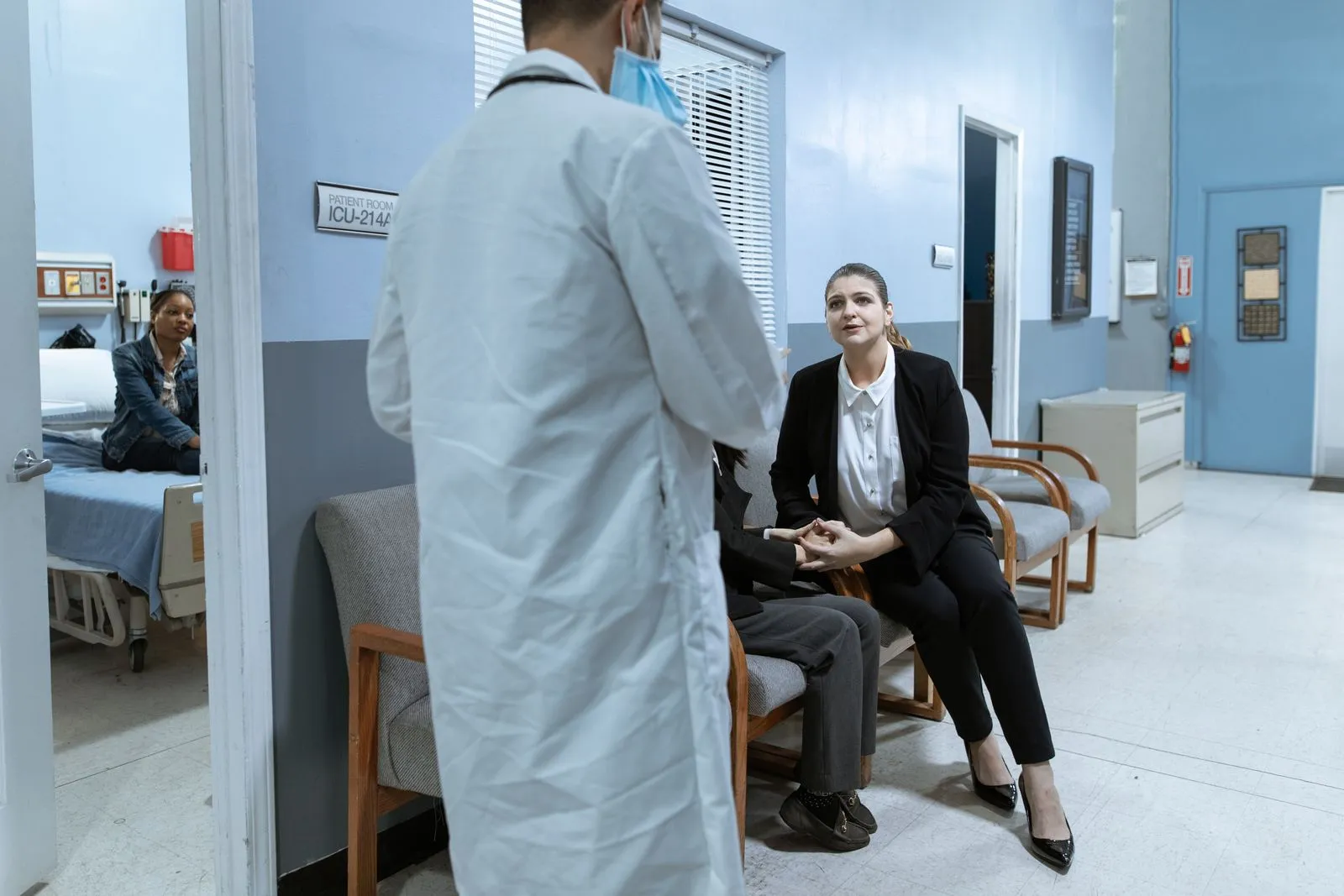
Patients can book appointments, access medical reports, and communicate with doctors online. Meanwhile, providers benefit from automated scheduling, e-prescriptions, electronic health records, and detailed reporting. Our platforms are compliant with healthcare standards and focus on improving both operational efficiency and patient care.
Built around your world
Technology with a purpose.
Online appointment booking and telemedicine features
Secure, compliant patient record management
Inventory, pharmacy, and lab integration
Real-time analytics for better healthcare outcomes
Keep exploring
A little more to explore.
How should I assess a healthcare app development company?
A healthcare mobile app development company should begin with the intended users, data flows and access rules. Custom healthcare apps can support administrative and patient-facing workflows, but clinical features require appropriately qualified oversight and project-specific review. Healthcare mobile app development services should define audit records, recovery, consent handling and integrations before implementation. No regulatory certification or clinical effectiveness is implied by a software feature list.
How can appointment and clinic workflows be connected?
Appointment scheduling apps need rules for availability, cancellations and staff intervention. Clinic management and process management apps should make responsibility for check-in, referrals and administrative follow-up visible. Agree which information patients may change and which changes require staff approval. Test duplicate bookings, rescheduling and outages with the team that will operate the system.
What should I ask an EHR software development company?
An electronic health record project needs a clear source of truth, access controls, audit history and data-export requirements. For mobile prescription workflows, sometimes described as mPrescription, confirm who is authorised to create, review and amend a prescription. Clinical decisions remain with qualified professionals. Interoperability, legal requirements and retention rules need review for the actual setting before the system is designed.
How should laboratory and sample-collection apps be scoped?
Laboratory management apps should track sample identity, status, authorised result release and changes to records. Lab testing delivery apps may add collection slots, handover events and notifications. Define the permitted users and verification steps at each handover; an app cannot establish laboratory accreditation or diagnostic validity. Validate the proposed workflow with the laboratory team and its existing systems.
What is needed for insurance-related workflows?
Health insurance apps and medical insurance claim apps depend on the insurer’s actual interfaces, document requirements and authorisation process. Separate application status from a coverage or payment decision, keep a record of submissions and allow staff to resolve missing information. Provider approval and production integration must be confirmed independently; the software should not promise claim acceptance.
How do remote-care and wellbeing projects differ?
Fitness and well-being healthcare apps and mental health apps need a carefully defined purpose, privacy controls and appropriate professional review. Telehealth apps and telemedicine applications must distinguish booking and communication tools from clinical care. Remote patient monitoring solutions additionally depend on suitable devices, reliable data transmission and an agreed clinical response process. Scope those responsibilities before selecting features; software development alone does not validate a device or a treatment pathway.
Your next chapter starts here.
Good things start with a conversation.
A new idea. A clearer direction. A better way forward.
admin@curobotic.com