Application brief
Identify solver behaviour, memory needs and software licensing constraints.
Loading page…

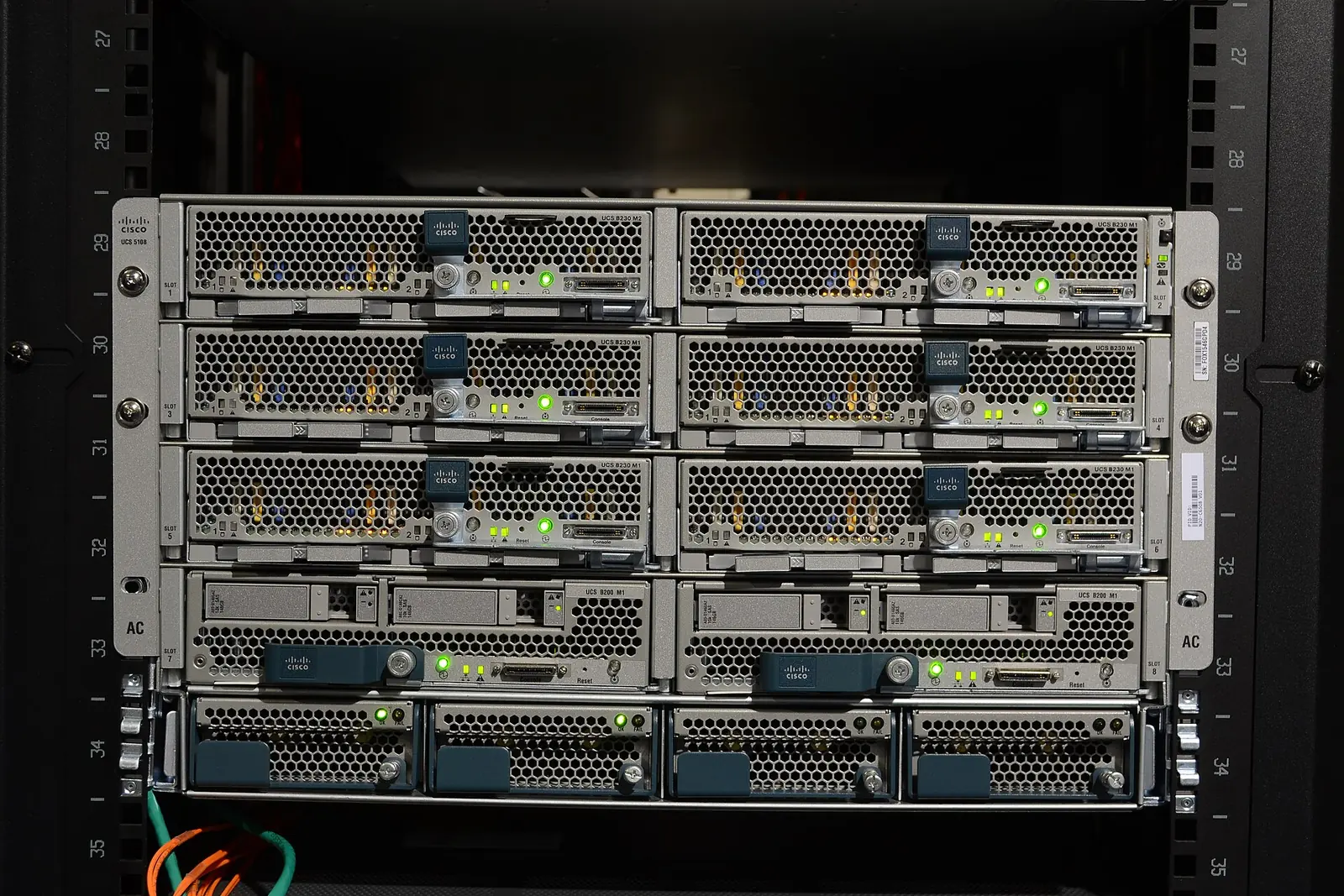
Add CPU computing capacity for simulations, analysis and other workloads that need it. Curobotic scopes compute nodes around application behaviour, memory requirements and integration with an existing or planned research computing environment.
Scope & specification
Discuss requirements, delivery and support with our Guwahati team. Pricing is quote-based and agreed against the proposed scope.
Request a quoteCore count is only one part of a useful compute specification. Processor characteristics, memory bandwidth and the application’s ability to use parallel resources all matter. We review the intended software and a representative problem, including licence restrictions that may change the cost or usefulness of adding more cores.
The configuration identifies memory capacity, supported population and the role of local storage. Large problems may be limited by memory before processor capacity is exhausted. Temporary scratch space, operating-system disks and retained research data have different requirements, so the node design records which data stays local and which belongs on shared storage.
A node joining an existing cluster must fit its management, network and software environment. We review addressing, boot and configuration methods, scheduler integration and application dependencies. Network performance expectations follow the communication behaviour of the workload. Any supported differences between existing and new nodes are documented for administrators and users.
Rack space, power, cooling and remote management are checked alongside the hardware specification. The handover can include the agreed operating-system baseline and a sample submitted job. Application correctness and performance are evaluated using the selected test; successful hardware diagnostics alone do not establish that a scientific workflow is ready for routine use.
Pricing is based on the processor platform, memory, local storage, network interfaces, warranty and installation scope. Commercial application entitlements and shared infrastructure are itemised separately. Send the application list, typical problem size and existing cluster details for a configuration that can be compared against the intended workload.
From requirements to handover
Identify solver behaviour, memory needs and software licensing constraints.
Select supported compute, memory, storage and communication components.
Integrate the node and execute the agreed application or submission check.
Connected services & systems
Only when the application and problem can use them effectively. Communication, memory limits and software licensing can change the result. We assess the workload and can scope a benchmark rather than treating maximum core count as the sole purchasing criterion.
A cluster can accommodate different node types if the scheduler, software environments and applications are configured appropriately. Users need to know which resources a job requires. Compatibility and operational complexity should be reviewed before mixing configurations.
Curobotic is based in Guwahati, Assam. We scope projects for organisations in Assam, Itanagar and other parts of Arunachal Pradesh, and Shillong. Remote preparation, site visits, freight and on-site installation are agreed in the quotation according to access, facilities and the work required.
Your next chapter starts here.
Share your workload, location and timeline. We will prepare a quotation for the agreed configuration and delivery scope.
admin@curobotic.com